After orthopedic surgery, many patients focus exclusively on physical rehabilitation. However, there is a determining biological factor for the success of the operation: Vitamin D.
Today I want to explain how this vitamin (which actually acts as a hormone) directly influences healing, bone health, and the prevention of future fractures.
What exactly is Vitamin D and why is it vital?
Unlike other vitamins, Vitamin D functions as a pro-hormone. It is mainly synthesized in the skin through exposure to ultraviolet (UVB) light and, to a lesser extent, is obtained from the diet.
Its starring role is calcium and phosphorus homeostasis.
Without it, your body cannot absorb calcium from food, which weakens your bones. But its benefits go beyond:
Cardiovascular Health: Helps improve cholesterol levels (raises HDL, which is the good cholesterol that collects excess cholesterol from tissues and arteries).
Blood Pressure Control: Decreases renin activity, helping to control hypertension.
Metabolism: Improves insulin sensitivity, reducing the risk of diabetes.
Vitamin D prevents falls: Crucial in older adults
Vitamin D not only strengthens bone, but also muscle. It has been shown that optimal levels improve neuromuscular control and strengthen type II muscle fibers (fast action). This is vital so that, in the event of a stumble, the patient has the reflex and strength necessary to regain balance and avoid a new fall.
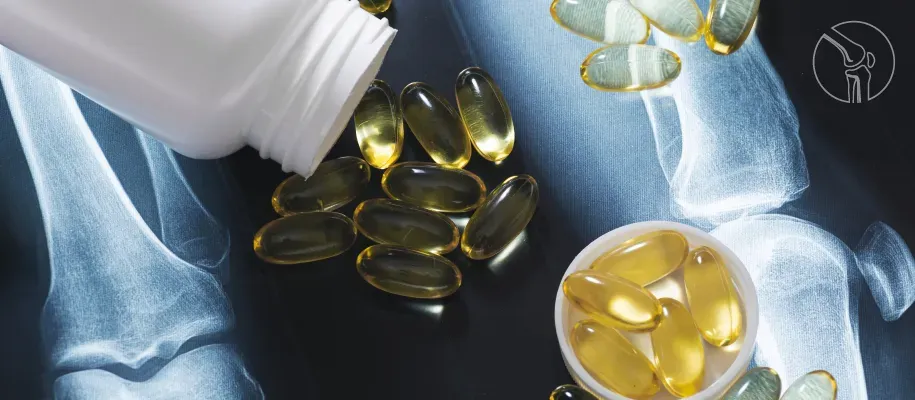
The Impact of Vitamin D in Orthopedic Surgery and Implants
If you have undergone surgery, Vitamin D is responsible for the 'heavy lifting' of repair to occur successfully:
Bone Consolidation: Favors that fractures or surgical bone cuts heal properly. That is, it helps your bones generate bone callus. Its deficiency is one of the main causes of 'non-union' (when the bone does not heal) since it blocks the formation of mature bone during the fracture repair phase.
This is known as pseudarthrosis, when the normal process of bone callus formation is interrupted, leaving the ends of the bone separated by fibrous tissue instead of new bone. What we call a 'false joint'.
Implant Success: In prosthesis or graft surgeries, Vitamin D increases bone formation around the implant, improving its long-term stability.
Bone Quality: Increases the number of osteoblasts (bone-forming cells) and reduces bone porosity.
How to get optimal levels of vitamin D?
Achieving adequate levels requires a balance between sun exposure and nutrition.
Sunlight: Is it enough?
The body produces Vitamin D when the skin is exposed to the sun. However, it is not as simple as 'going for a walk'. Factors such as pollution, the use of sunscreens, excessive clothing, and advanced age hinder this synthesis. In addition, the angle of UVB rays must be appropriate, something that varies depending on the time of year.
A Strengthened and Varied Diet
Few foods contain Vitamin D naturally in large quantities, so we must be selective:
Fatty Fish: Salmon, tuna and sardines.
Animal Protein: Red meat, beef liver and egg yolk.
Fungi Kingdom: Some types of mushrooms exposed to UV light.
Fortified Foods: Currently, many dairy products (milk, yogurt), cereals and juices are reinforced. Always read the labels.

How to know if you have a vitamin D deficiency?
Through a blood test, we measure the levels of 25-hydroxyvitamin D. These are the ranges we handle in consultation:
| Status | Levels (ng/mL) | Risk |
|---|---|---|
| Sufficiency | > 30 ng/mL | Optimal level for recovery. |
| Insufficiency | 21 - 29 ng/mL | Moderate risk of bone weakness. |
| Deficiency | < 20 ng/mL | High risk of fractures and poor healing. |
| Severe Deficiency | < 10 ng/mL | Critical risk of bone health. |
Vitamin D supplementation: What should you know?
The goal is to maintain levels above 30 ng/mL. If your doctor prescribes supplements, there are two forms:
D2 (Ergocalciferol): Of plant origin.
D3 (Colecalciferol): Of animal origin, usually more effective in raising and maintaining blood levels for longer.
Pro Tip:
Since Vitamin D is fat-soluble, it is absorbed much better if taken accompanied by a meal that contains some healthy fat (such as avocado, olive oil or nuts).
Beware of excess vitamin D
More is not always better. Excessive consumption (levels above 150 ng/mL) can cause toxicity, causing nausea, muscle weakness, kidney stones and, in extreme cases, arrhythmias. The general maximum daily limit is usually 4,000 IU, unless your specialist indicates a higher loading dose for a severe deficiency.
Can vitamin D interact with other medications?
Some medications can interfere with the absorption or metabolism of vitamin D. For this reason, it is always recommended to perform laboratory studies and follow the instructions of the treating physician before starting any supplement.
As we have seen, Vitamin D is not a simple supplement, but an indispensable foundation for your bones to heal with strength, your implants to fix correctly and your risk of falls to decrease drastically.
Are you worried about your bone health or are you preparing for surgery?
Don't guess your levels or self-medicate. A comprehensive orthopedic assessment allows us to know the real state of your skeletal system and design a recovery plan tailored to you.
In my consultation I will help you:
Clinical evaluation of your bone and muscle health.
Interpretation of your Vitamin D and Calcium levels.
Design of a safe and effective pre- and post-surgical supplementation plan.
I invite you to schedule a consultation, I am located in Tijuana Baja California, close to you in Zona Rio in Torre Norte 2.
No hay comentarios para este blog.